
Portuguese Masterclasses · Playpromocode
Learning Portuguese
takes time.
Less than you think.
A structured path through real Portuguese - spoken, written, and understood - taught by practitioners who use the language every day.
See the learning programme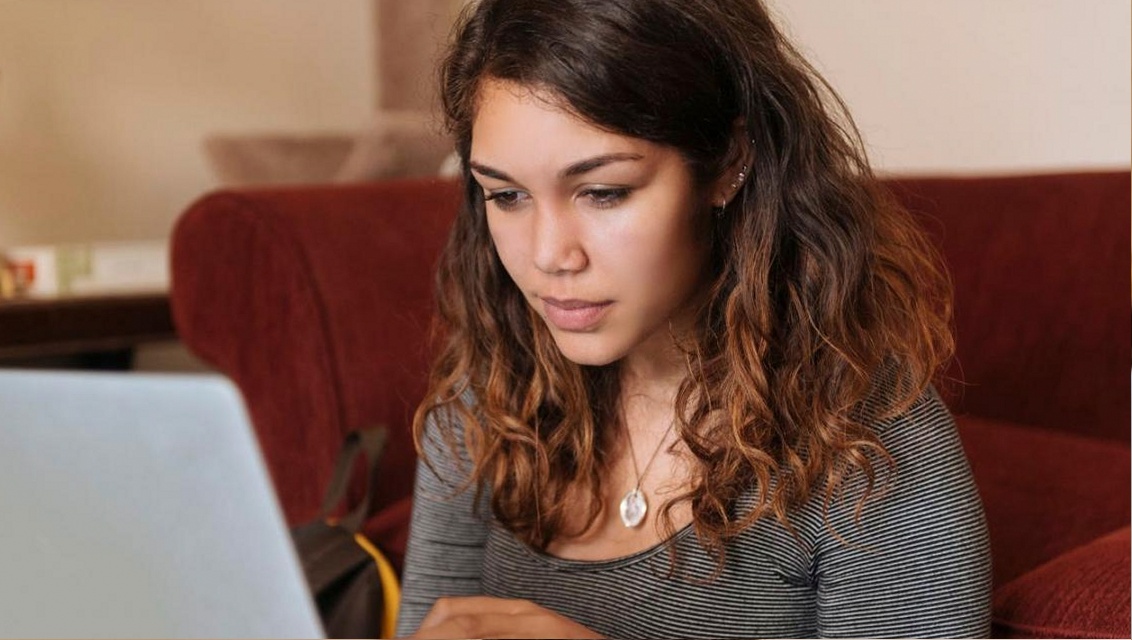
What it actually feels like
Most people arrive expecting grammar drills. What they get instead is a gradual shift - a growing sense that Portuguese is no longer foreign, just unfamiliar in specific places.
The first few weeks
Sound patterns start to separate. You stop hearing Portuguese as a blur and begin catching individual words - even before you know what they mean.
The middle stretch
This is where most learners stall. The programme is designed specifically for this phase - keeping momentum through varied formats and honest feedback.
When it clicks
Reading without translating. Listening without rewinding. It arrives quietly - usually during a conversation you didn't expect to follow.
After the programme
You have enough to keep going independently. The goal is not dependency on a teacher - it is the ability to learn from the language itself.

The scale of what is here
These figures describe the programme as it stands - not projections, not targets.
A selection, not a catalogue
The programme covers a deliberate set of skills - chosen because they compound. Each one makes the next easier to acquire.
Core tracks
Specialist modules

Where most learners
actually get stuck
Apps teach vocabulary. Classes teach grammar. Neither teaches you to think in Portuguese - to reach for a word without translating it first. That gap is specific and fixable.
The programme is structured around the moments where independent learners typically plateau - and addresses each one directly, not with more content, but with different practice.
What stays with you
Portuguese is spoken by over 250 million people across four continents. The skill does not expire - it opens doors in Brazil, Portugal, Mozambique, and beyond for the rest of your life.
Participants who complete the programme consistently report that the ability to switch registers - from casual to formal, from listening to speaking - is what they use most in practice.
Transferable fluency
The listening and grammar skills built here carry directly into Spanish and Italian - related languages become noticeably easier to pick up.
Real-world application
Travel, work, and relationships in Portuguese-speaking countries become genuinely different experiences - not just easier, but richer and more direct.
Sustained independent learning
Graduates leave with a clear method for continued practice - how to use films, books, and conversation partners to keep improving without a structured course.